One of the coolest ways to see Europe is to plan a car trip in Germany. Germany has the right mix of adventure and comfort, with its smooth highways, beautiful countryside, historic towns, and modern cities. A German road trip gives you complete freedom, whether you want to drive on the famous Autobahn, see castles from fairy tales, or enjoy beautiful mountain roads. This complete article will make it easy for you to plan every step, from picking the best routes to learning the rules of the road, making a budget, and getting travel tips, so your trip is safe, cheap, and memorable.
Why Germany Is Perfect for a Road Trip
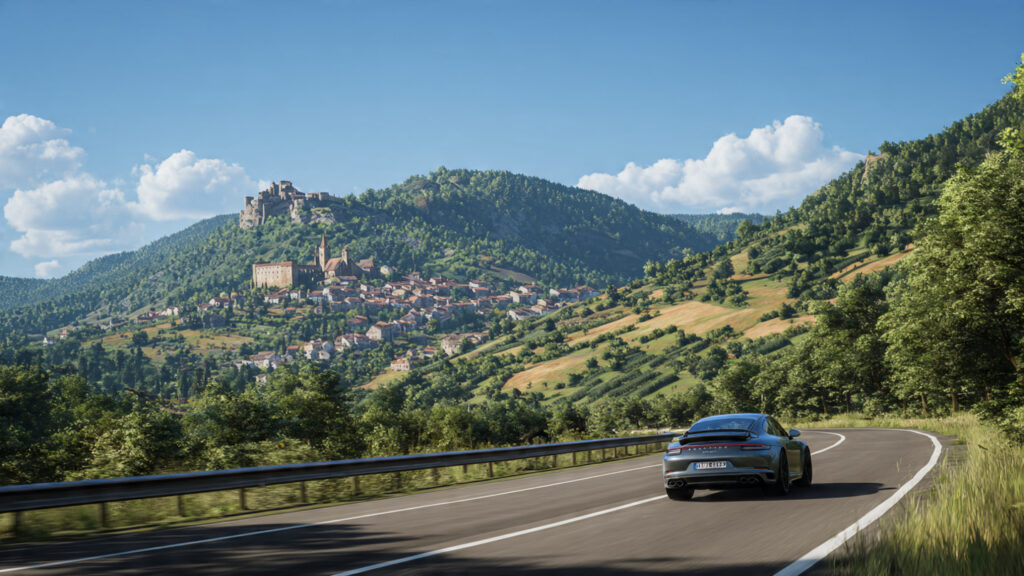
Beautiful roads around the world
Germany has an excellent road system, and the Autobahn is a prime example. The roads are clean, well marked, and easy to drive on. Many highways lack speed limits, but there are strict safety rules. International travellers, especially Americans planning their first road trip in Europe, find it easy to drive when the signs are clear.
Diverse Landscapes in One Country
Short distances in Germany let you see a huge range of things. In one day, you can drive from the mountains to the lakes, from the woods to the vineyards, and from old towns to new cities. Because Germany is so varied, it is a great place for road trips: every few hours, you can see new scenery, learn about a new culture, or try a new food.
A safe and welcoming place for travellers
Germany is one of the best places to visit. The rules of the road are carefully followed, and you can rely on the emergency services. There are hotels, gas stores, and rest stops all over the place. Many people speak English, which makes it easier for foreign visitors to find their way, book lodging, or get help while they are on the road.
Best Time to Plan a Germany Road Trip
Spring and Early Summer Months
In Germany, the best times for car trips are in the spring and early summer. From April to June, the weather is pleasant, flowers bloom, and there are fewer tourists. The roads are clear, and it is a great time to drive. This is a great time of year to take scenic roads like the Romantic Road and drives through the countryside.
Summer is the busiest travel time
In Germany, July and August are great months for car trips. The weather is nice, the days are long, and there are fests everywhere. Tourist spots can get busy, though, and hotel prices go up. It is important to plan. The best time to visit alpine trails, lake areas, and outdoor sites is in the summer.
Thoughts on Travelling in the Autumn and Winter
The leaves change colour, there are fewer people around, and the weather is nice in the autumn. September and October are great months to visit wine areas and take scenic drives. You can take a road trip in the winter, but be careful due to snow and ice, especially in southern Germany. City paths and Christmas markets are best in the winter.
Planning Your Germany Road Trip Route
Popular Road Trip Routes in Germany
Germany has several famous roads, including the Romantic Road, the Black Forest High Road, and the Alpine Road. Beautiful towns, castles, and natural sights are all linked by these roads. They are designed to be easy for people to find. Taking a road you have been on before can help new drivers feel less stressed.
Creating Your Own Map
Planning your own car trip can help you find hidden gems. There are parks, cultural places, and big cities that you can visit. Germany is not very big, so it is easy to plan paths that change. Online apps and maps let you change your plans without getting lost or missing important parts.
Plan your distance and driving time
On a map, Germany may not appear large, but travel time is important. Coming from a big city can slow you down. Plan daily driving lengths of 3 to 5 hours. This gives you time to see the sights, eat, and rest. Planning the trip in a balanced way makes it enjoyable rather than tiring.
Renting a Car in Germany
Choosing the Right Car Type
Pick a car based on how comfortable it is, how much stuff you have, and the type of trip you want to take. Small cars are well suited for city driving and use less fuel. Bigger cars are better for families or long trips. Some automatic cars are available, but not many, so book early. A nice car will make your trip through Germany safer and more fun.
Needs for Renting a Car
A current driver’s license and passport are usually needed to rent a car. Usually, people from the US who want to travel need an International Driving Permit. For payments, you need a credit card. There may be age limits. Carefully review the rental agreement to avoid hidden fees and ensure a smooth pickup.
Choices for insurance and coverage
When you drive in Germany, you need to have car insurance. There is basic coverage, but additional protection reduces the risk. It is suggested that you get collision and loss coverage. Knowledge of insurance options helps prevent unexpected cost increases. Travellers can enjoy their trip without thinking about damage when they are at peace.
Understanding German Road Rules
Speed Limits and Autobahn Rules
Some parts of the Autobahn do not have speed limits, but many do. There are many speed cameras, and the fines are very high. Lower limits apply to cities. It is very important to follow the written signs. People expect you to drive safely, and angry behaviour is not okay. Travellers can stay safe and stress free by following the rules.
Road Signs and Navigation
German road signs have clear pictures and colours. Highways are marked with blue signs, and neighbourhood roads are marked with yellow signs. GPS works well, but in rural places, it is helpful to know how to read simple signs. Signs are the same across the country, making it easy for people from other countries to get around without getting lost.
How to Park and What to Do
Germany has very strict parking rules. Check for marked parking spots and follow the signs. There are many paid parking meters. Fines or tows are given for illegal driving. Planning for parking, especially in cities, will save you time and stress on your road trip.
Budgeting for a German Road Trip
Fuel and Toll Costs
As a result, creating a budget is necessary, as petrol costs more in Germany than in the US. A vehicle does not need to pay to travel on an autobahn, which lowers costs. There are many petrol stations. Tracking how much gas you use and choosing cars that use less gas can help you plan and budget for your road trip.
Costs of lodging
Everyone in Germany can find a hotel, hostel, or vacation rental that fits their budget. Location and time of year affect prices. In the summer, it is especially cheap to book early. You can stay in smaller towns for less money and enjoy more of the local charm. By mixing hotels in towns with guesthouses in the country, you can find a good balance between price and comfort.
Costs of food and other living expenses
Germany’s food prices are reasonable. Grocery stores have cheap meals, and bakers have fresh food. Some places in the area are more relaxed than others. Planning simple meals and eating local food helps keep costs down on the road trip without sacrificing quality or experience.
Top Destinations for a Driver’s Trip in Germany
Historic towns and places of interest
There is a lot of history and culture in German towns. Berlin, Munich, and Hamburg all have notable museums, landmarks, and places with large crowds. Some great small towns are Rothenburg and Heidelberg. These towns have significant history and charm. Going on a road trip through both big cities and small towns is a great way to find new things.
A lot of beautiful natural spots to visit
It is fun to drive in Germany because there is so much beautiful scenery. The Black Forest, the Bavarian Alps, and Lake Constance are all great places to enjoy wildlife and beautiful scenery. Driving through public parks and along country roads is peaceful. Between stops in the city, take a break and enjoy the view in nature spots.
Fairy tale castles and towns
Neuschwanstein is a famous Middle Ages castle or town in Germany. Going to these places is like going into a story. You can stop and take pictures on drives through castles and old towns. You will have a more enjoyable car trip and remember these places for a long time.
Tips for Packing and Getting Ready
Important Paperwork and Gear
Always have your passport, driver’s license, insurance papers, and rental papers with you. As a backup, keep digital copies. Handy things to have are a phone clip, a charger, and offline maps. If you plan ahead, you can avoid stress and have a smooth trip across Germany’s regions and borders.
Packing clothes and seasonal items
Pack for the season and the things you want to do. It is important to dress and walk in shoes that feel good. Layers are helpful because the weather can change quickly. You can use a rain jacket all year. When you pack smart, you can save room and stay comfortable on the trip.
Safety and Getting Ready for an Emergency
Germany has great emergency services, but it is still important to be ready. Keep a first aid kit in your car and know how to call 911. Pay attention to weather reports, especially in the winter. All travellers can enjoy a safe, enjoyable road trip by staying alert and prepared.
Technology and Tools for Navigation
Using GPS and apps on phones
In Germany, navigation apps always work. GPS can help you plan your trips and avoid traffic. In remote places, offline plans are helpful. Apps that translate help with communication and sign language. Smart use of technology makes driving easier and keeps you from getting lost on the road.
SIM cards and getting online
Local SIM cards make it cheap to connect to the internet. Many travelers buy them in shops or at airports. The Internet lets you find your way, make reservations, and talk to other people. Staying linked makes things safer and easier, especially for foreigners driving around Germany.
Websites for planning road trips
Websites that help people plan trips help people choose routes, hotels, and sights. It is helpful to read reviews and trip guides. Planning ahead saves time and money. A smooth and enjoyable German road trip is made possible by studying online and making flexible driving plans.
Common Mistakes to Avoid
Overpacking Your Itinerary
Stress happens when you try to see too much in too little time. Germany has a lot to see and do, but rushing around makes it less fun. Focus on having good experiences rather than on having lots of them. You can enjoy your road trip more and feel more relaxed if you plan for breaks and unplanned stops.
Not following the rules of the road
When people do not understand the rules of the road, they get fined and get angry. People must follow the speed limits, parking rules, and road signs. It is better to know the rules of the road before you start driving. Driving responsibly on German roads keeps everyone safe and makes the trip fun.
Too late to book
Booking at the last minute raises prices and limits options. City streets and roads that many people use fill up quickly, especially in the summer. When you book your hotel rooms and hire cars early, you save money and make sure you can get them. When you plan ahead, the whole road trip goes more smoothly and is more fun.
FAQs
Is Germany a good place to take a car trip?
Yes, Germany is ideal for road trips because it has excellent roads, scenic routes, safe driving conditions, and many attractions. It is also a great destination for tourists seeking both cultural experiences and adventure.
I want to drive in Germany. Do I need an International Driving Permit?
International Driving Permits are usually required for U.S. citizens who want to drive abroad. That way, you will not get fined for driving in cities or on roads.
Are the roads in Germany free to use?
Autobahns are mostly toll free for cars, but some tunnels and bridges may charge small fees. This makes long distance travel in Germany more affordable.
When is the best time to take a car trip in Germany?
From April to June, spring and early summer have mild weather, fewer people, blooming scenery, and scenic drives that make outdoor activities and sightseeing more fun.
How long should a car trip through Germany be?
A 7 to 14 day road trip is the best way to see major cities, scenic routes, cultural stops, and natural attractions without rushing or missing important sights.
How much do car trips cost in Germany?
The prices are fair. Fuel, lodging, meals, and touring can all be done on a budget if you plan ahead, travel during the off season, and choose cheap places to stay and eat.
Can I drive in Germany even though I do not speak the language?
Yes, the road signs are easy to read, and most people in tourist areas speak English, so even first time foreign travellers will not have any trouble getting around.
I live in Germany. Can I drive to other European countries?
Of course. Germany neighbours many countries, including Austria, France, and the Netherlands. With the right paperwork and a plan, it is easy to travel between countries.
What kind of car is best for a trip through Germany?
Smaller cars are better for driving in cities and using less gas, while bigger cars are better for families, long trips, or trips with more gear.
Should I get winter tires for my trip through Germany?
Yes, if you are travelling in winter and going somewhere snowy or icy, you need winter tires for safety, better control, and to comply with the law.
Conclusion
In Germany, taking a road trip is an unforgettable experience, featuring beautiful scenery, historic towns, and vibrant cities. Travellers can have a safe, easy trip if they plan, choose the right car, and know the rules of the road. Every stop offers something different, from buildings to country roads. If you follow this guide, your car trip through Germany will be fun, memorable, and stress free.